
Furniture Factory Operations Compared Small vs Large Plants
Spend a week visiting two workshops and you would swear they build different products. One smells of fresh teak shavings and warm glue. The other hums with conveyors and the whine of a CNC router. Both run furniture factory operations, yet the logic behind each floor has little in common.
I own a furniture company, so this question lands on my desk all the time. Which setup suits your orders? The answer protects your cash and your quality. Here is what I see on both sides.
How Furniture Factory Operations Differ by Plant Size
A small workshop sells flexibility, and a big factory sells flow. Compact crews handle varied orders on general-purpose machinery. Larger facilities split work into departments and repeat each task at volume.
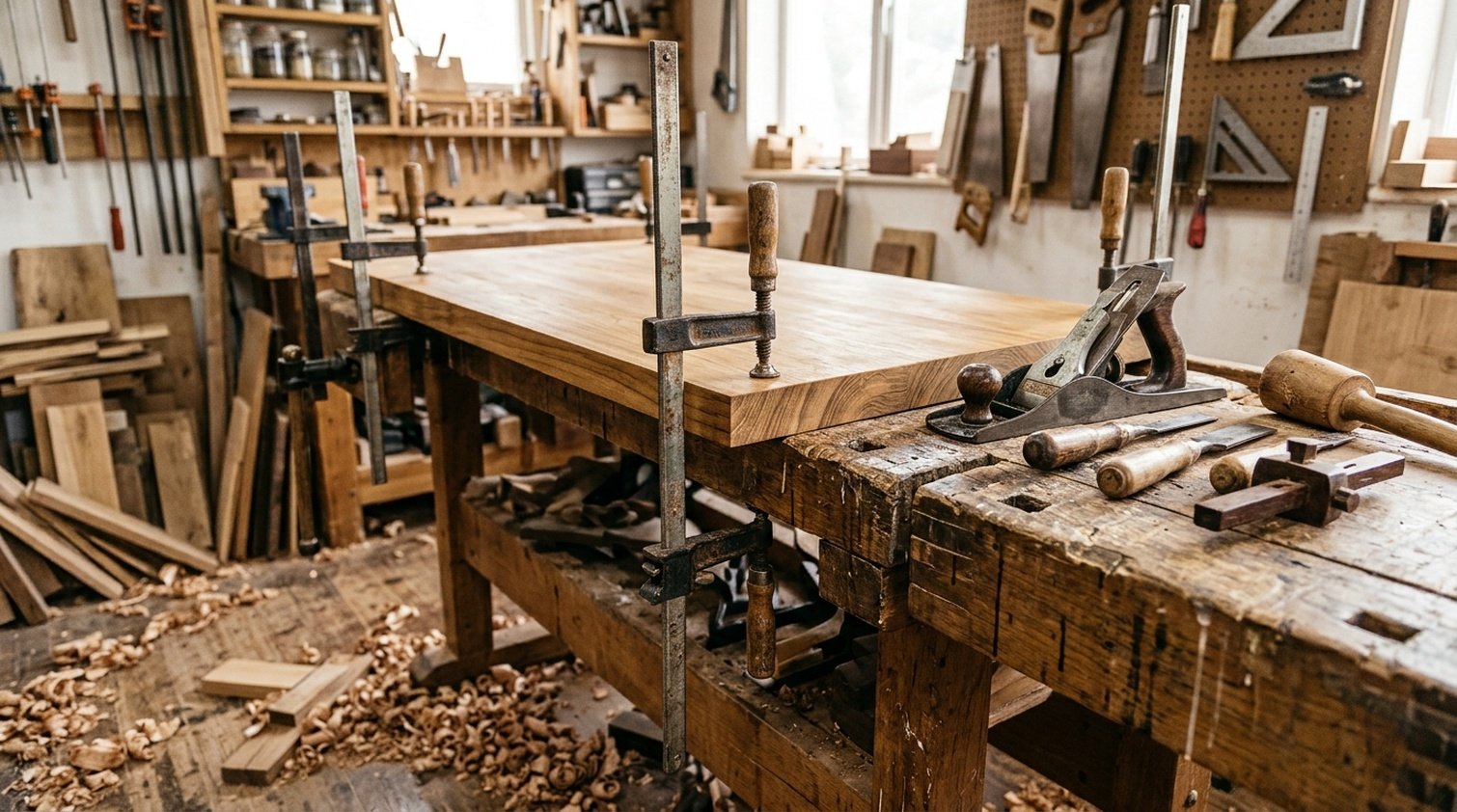
As a rough guide, a small workshop employs 10 to 30 workers. A big factory employs several hundred, spread across departments, offices, and a planning team. The gap shows in how decisions travel from the sales desk to the workstation. In a small shop, the owner walks over and asks. In a big factory, a work order carries the message.
Small Plants and Made-to-Order Work
Small manufacturers build custom pieces and short runs. One craftsman often cuts lumber, assembles frames, and sands surfaces at the same bench. That versatility lets the shop change a design mid-week.
I love this rhythm. You feel the grain and talk to the client in person. Machines work as tools in a craftsman’s hands. A table saw, a planer, and a few routers cover most jobs. Customization is the main draw. Solid teak suits this setup because craftsmen pick each board by eye. You can see how the material performs in this guide to teak wood furniture for indoor and outdoor living spaces.
Large Plants and Batch Production
Big factories split production into departments and push batches along a fixed route. Each team repeats one task at high volume. That lowers the cost per piece and makes output predictable.
A typical flow moves from lumber or plywood prep to CNC machining, assembling, sanding, finishing, upholstery, and packing. Some large facilities run their own sawmill and kiln. Planners release job tickets, and procurement teams keep components in stock. Product ranges stay narrow, so machines run long without a tooling change. Inspectors check workpieces at each stage and catch flaws before they travel downstream.
Where Production Slows Down on the Factory Floor
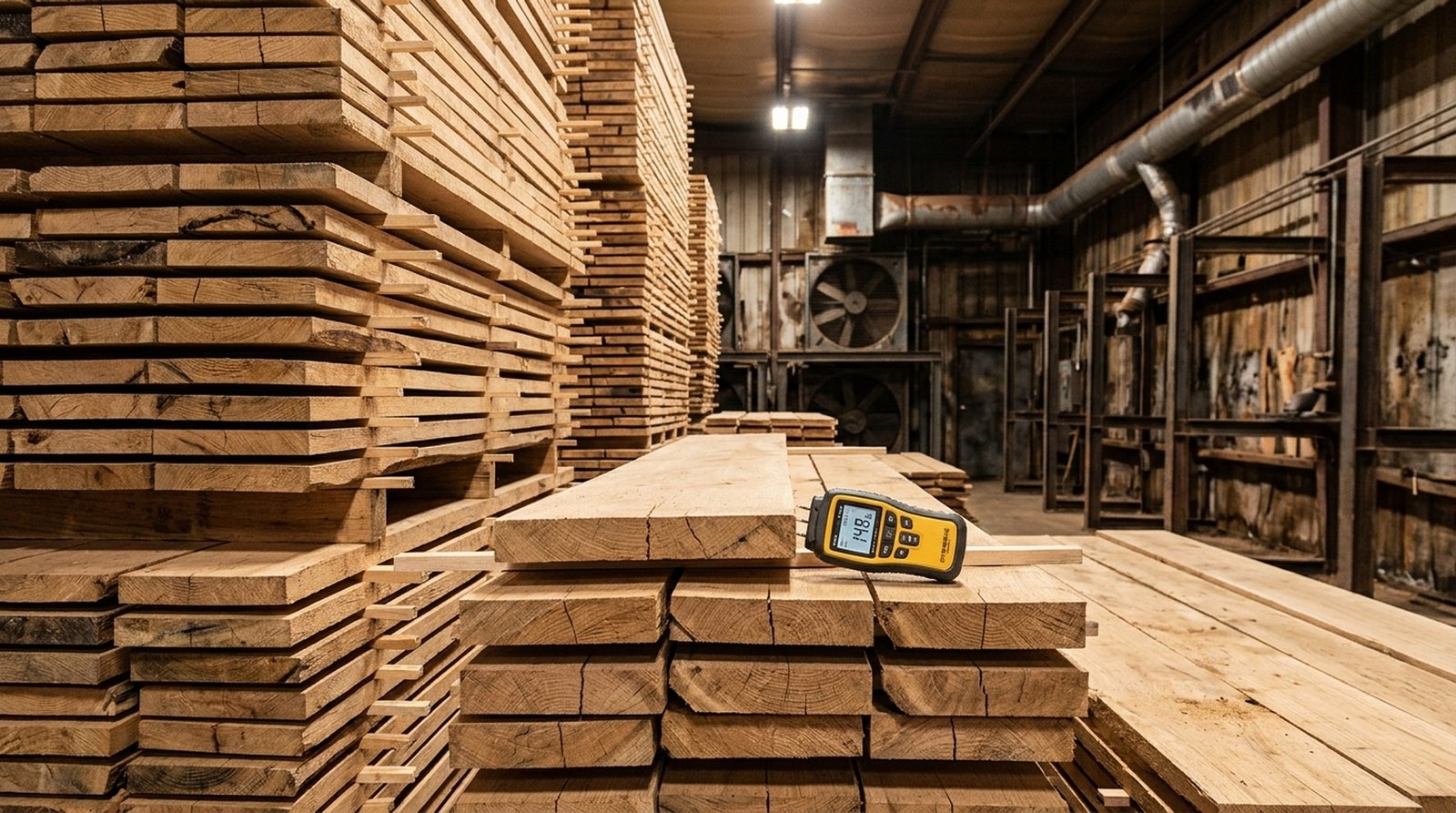
Five bottlenecks cause most delays, whatever the size of the business. They look different at each scale. One stalled stage backs up every stage behind it.
I have seen one full drying room hold up a month of orders. Workers wait. Overtime climbs. Customers call for updates nobody wants to give. A stall never stays local. It spreads down the floor and stretches delivery time.
- Lumber drying and moisture control. Interior hardwoods should reach roughly 6 to 8 percent moisture before milling. Skip this step and joints open months later.
- Machine changeovers. Shops that switch products often can lose hours every week to tooling swaps.
- Finishing and curing queues. Spray booths and drying racks cap how much work moves through at once.
- Upholstery and sewing backlogs. Late fabrics, leathers, or foam hold up an otherwise finished frame.
- Weak replenishment. Sloppy stock records stop work for a missing hinge or panel.
Big factories feel these problems as queues between departments. Small shops feel them as one person doing three jobs at once.
Cost and Capacity Compared Across Plant Sizes
Big factories win on cost per piece at steady volume. Small shops win on setup speed and customization. Your break-even depends on order size and how often the product changes.
The numbers tell a clear story. Furniture factory operations reward scale only when demand repeats. A plant that builds ten identical chairs every day spreads its fixed costs thin. A shop that builds ten different chairs in a month cannot.
Timing tells a similar story. A small shop can quote a custom piece in a day or two, though building it takes several weeks. A big factory ships a stock order fast but needs a longer cycle to change a design.
Machinery and Automation Costs
Automation pays back only when volume stays steady. A CNC router saves labor on repeat parts but sits idle on one-off jobs. Smaller firms should buy it with care.
Machinery is the biggest capital line after the building and the drying kilns. Many small shops own equipment that runs a few hours a day. Their runs are short and their range is wide. Large facilities keep machines busy with long runs of limited models. Maintenance matters in both. A neglected router ruins workpieces and halts production. A planned service schedule costs less than one bad week.
Labor and Inventory Costs
Small shops lean on skilled craftsmen who do many tasks. Big factories hire specialists and manage wages across a larger workforce. Each setup carries its own risk.
Training a craftsman takes years. If two of your best people leave, quality can slip overnight. Big factories train employees on one station, which shortens the learning curve. They also hold more stock to protect output. Small shops buy plywood and lumber closer to demand. That frees cash but invites delays when a supplier runs late. Strong supplier relationships and timely replenishment protect both.
Matching Your Operation to the Right Plant Model
Match the model to your order pattern first. Steady, repeatable products suit big-factory methods. Variable orders suit small-shop flexibility.
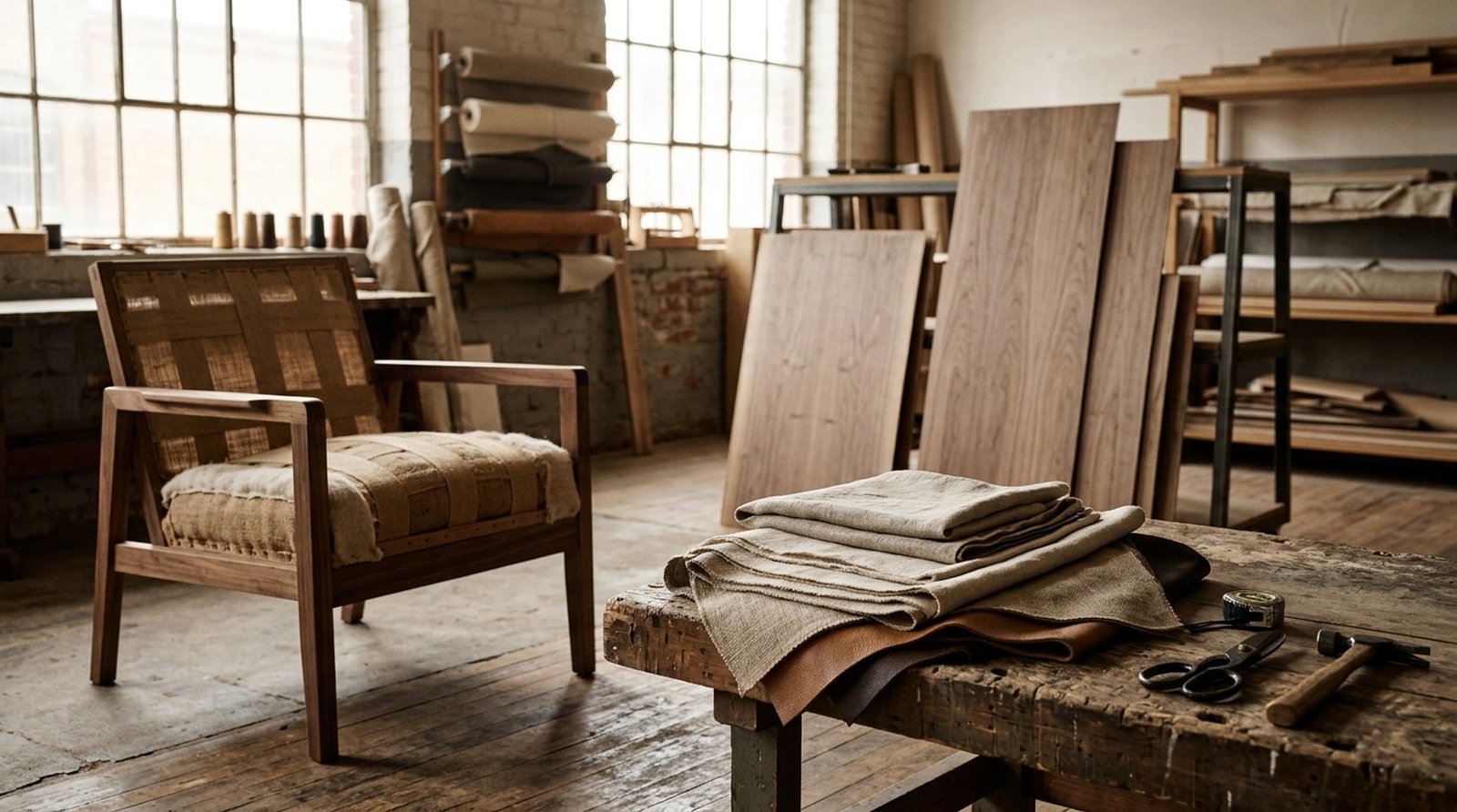
Lean thinking helps at any size. Cut waiting time. Remove steps that add no value. Balance the load at each workstation so nobody sits idle while the next bench overflows. Add a simple scheduling board before you buy software.
Many firms land in the middle. They keep assembling and finishing in-house, where quality shows. They outsource parts such as veneers or turned legs to a trusted supplier. This hybrid is common in an Indonesia furniture manufacturer that serves export buyers with mixed orders.
Product type matters too. Weather-exposed outdoor furniture needs patient drying and sealed joints, which favors a slower, controlled process. Repeat models in indoor furniture collections fit batch runs well.
Downsides to Weigh Before You Commit
Every model has real costs. Small shops risk uneven quality and capacity limits. Large facilities risk rigidity, heavy fixed costs, and slow response to design change.
Small workshops depend on a few key people. If one craftsman leaves, output and quality can drop overnight. Cash runs thin, so one late payment can stall a whole month. Big factories carry heavy fixed costs. Idle capacity drains profits, and a design change can take weeks to push through. Reliance on one supplier adds another risk.
Buyers can test a factory in an hour. Ask for delivery records from the last ten orders. Ask how inspectors check workpieces and what happens to rejects. Ask who handles design changes. Buyers who want custom made furniture Indonesia workshops can deliver should press hardest on that last question.
Good furniture factory operations leave clues you can spot in minutes. Look for clear aisles and labeled inventory. Watch how calmly the workforce moves. Fit between method and orders counts for more than headcount. Ready to talk about a project? Contact our team, and we will show you how we plan and build.