
Indonesian Furniture Manufacturers Buyers Can Trust
Indonesian furniture manufacturers do not all work the same way. Some run full factories with kilns, engineers, and finishing lines. Others resell pieces from workshops they have never visited. That gap decides whether your order arrives sound or warped.
I have worked on both sides of this trade, as a writer and as a furniture company owner. Below, I explain how to separate real makers from middlemen before you pay a deposit.
Indonesian Furniture Manufacturers and Their Regional Hubs
Indonesian furniture comes from distinct clusters. Jepara anchors teak and carving, from artisanal workshops to large export factories. Cirebon specializes in rattan, and Bali serves boutique and hospitality projects.
Each hub grew around a local skill. A map of these skills saves you weeks of wrong enquiries. A rattan studio will not build a solid dining table. A small carving shop may struggle with hundreds of identical hotel chairs.
Cirebon and the Rattan Craft Belt
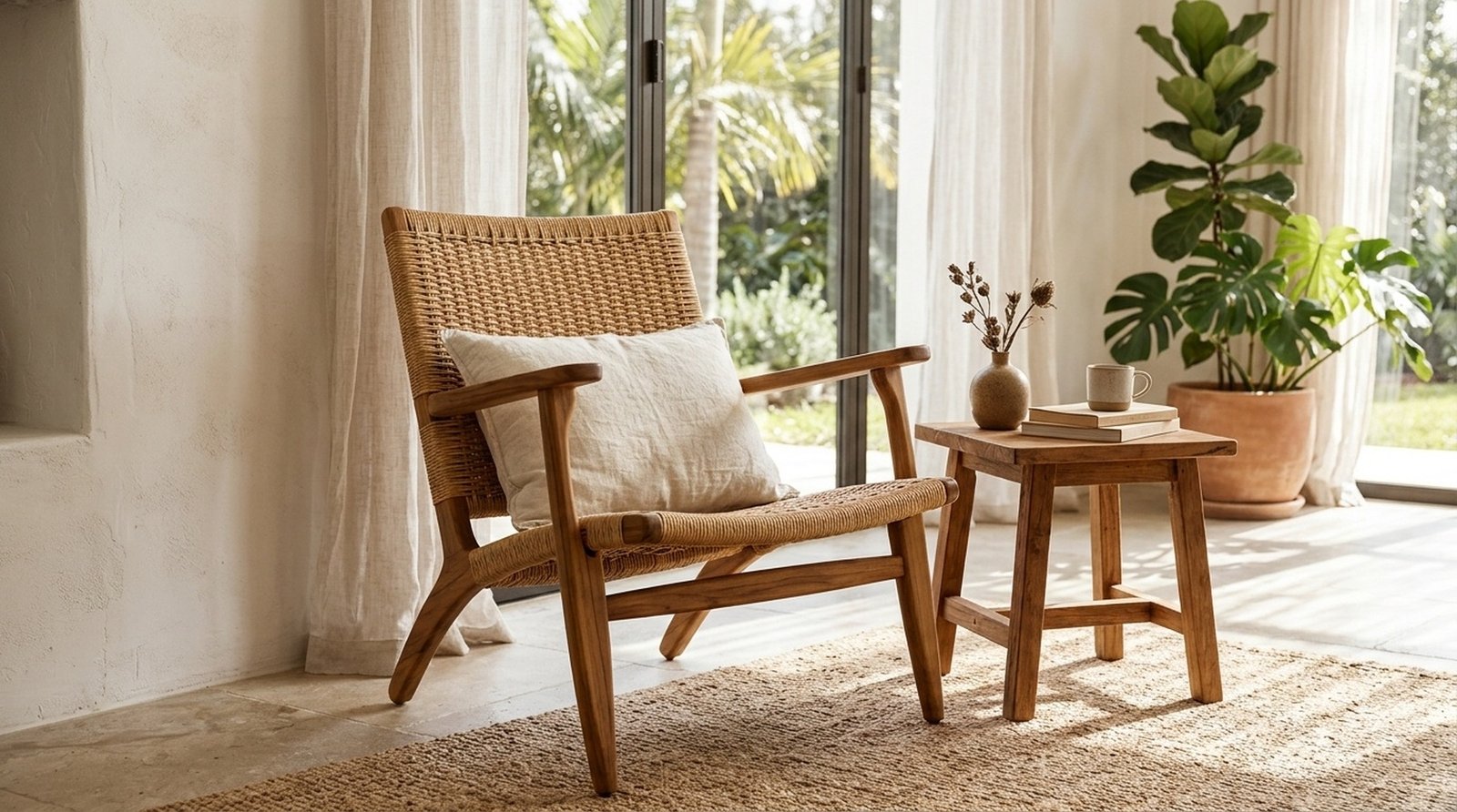
Cirebon turns rattan into light, tactile furniture. Weavers shape armchairs and daybeds by hand. Interior designers favour it for villas and resorts that want a natural mood.
Pair rattan with teak frames and good fabrics, and the result feels warm without feeling heavy. For outdoor use, ask about synthetic weaving. It resists sun and rain better than natural fiber.
East Java also hosts export-focused factories around Surabaya and Pasuruan. Compare them with Jepara on capacity, finishes, and material range before you shortlist suppliers.
Jepara and Central Java Teak Manufacturing
Jepara sits at the heart of Indonesian woodworking. Its craftsmen work in teak and mahogany, and many families have passed down carving traditions for generations. That heritage still shapes the city’s handmade and handcrafted furniture today.
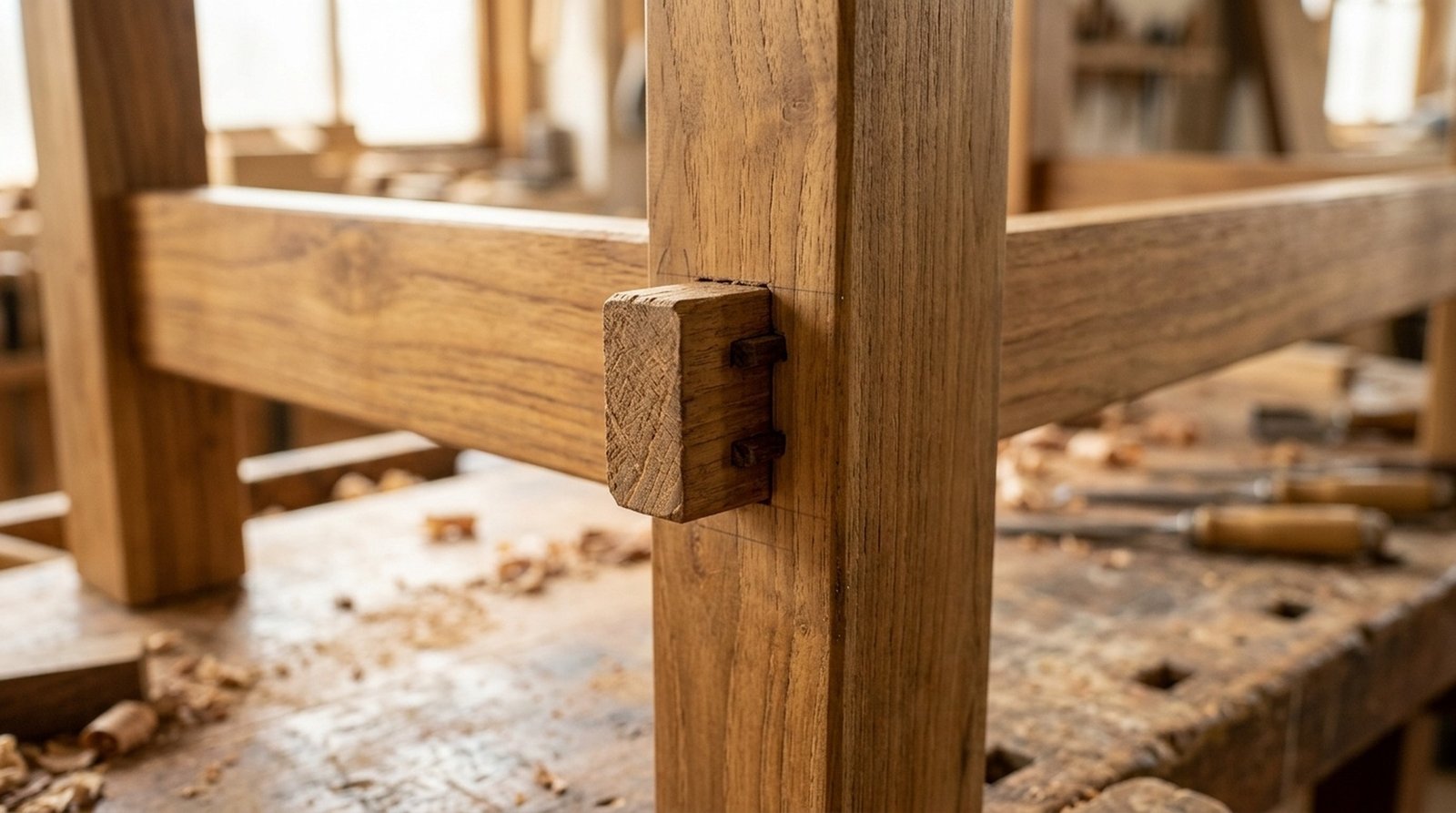
Jepara has also grown into a serious manufacturing center. Several larger factories now operate to international standards, with in-house kilns, machinery, and assembly lines. Some can ship tens of containers per month, depending on product mix and materials.
This range gives buyers real options. A small workshop can build a bespoke piece by hand. A larger factory can supply retailers, hotels, and contractors with steady quantities. Both often work within the same city and share the same skilled labor pool.
Precision matters at either scale. Look at structural joints, reinforced corners, drawer runs, and hardware. Solid teak wood furniture from Jepara offers lasting durability for homes, villas, and outdoor spaces.
Capacity claims still deserve a site visit. Ask to see the production floor, the kiln, and the current inventory. A good partner shows you a real order moving through assembly and finishing.
Why the Wrong Furniture Factory Costs Buyers More Than Money
A poor supplier choice shows up months later as warped panels, missed deadlines, or goods held at customs. The timber stays the same, but the cost of fixing the problem multiplies.
Start with one question. Does this business own its production line? A trading company can still serve you well. Yet every intermediary adds margins, and each handoff puts more distance between you and the people who handled the wood.
Sourcing from Indonesia has real downsides. Lead times often run longer than in Vietnam or China. Quality can differ from one workshop to the next, even within the same town. Communication across time zones takes patience.
What you gain is solid timber and genuine craftsmanship. Many makers will also build bespoke designs. If you can wait a little longer, that trade is often worth it.
Rules matter too. Indonesia runs a timber legality system called SVLK. The European Union’s EUDR and the US Lacey Act both ask importers to prove where timber came from. Buyers in Singapore, the Netherlands, the UK, Australia, and Italy each ask for different documents and finishes. Check current requirements for your market before you order, because they change.
A Five Step Checklist for Vetting Any Furniture Supplier
Vetting Indonesian furniture manufacturers takes five steps. Confirm in-house production, verify timber legality, inspect the process, test a sample, and agree terms in writing.
- Confirm in-house production and visit or audit the factory.
- Request legality documents and certificates.
- Check the kilns, machinery, and quality control steps.
- Order a prototype before bulk production.
- Put MOQ, lead time, and inspection terms in a contract.
Check Timber Legality and Documents
Ask for the SVLK certificate and proof of timber origin before you talk price. A serious maker shares these without fuss.
Plantation teak is the common choice for export. Ask which plantation supplied the heartwood and how the supplier tracks it. Eco claims need paperwork behind them. Responsible sourcing also protects your own reputation.
Inspect Kilns, Machinery, and Quality Control
Walk the factory floor and look at the kilns first. Damp timber is a leading cause of cracks and warped panels after shipping.
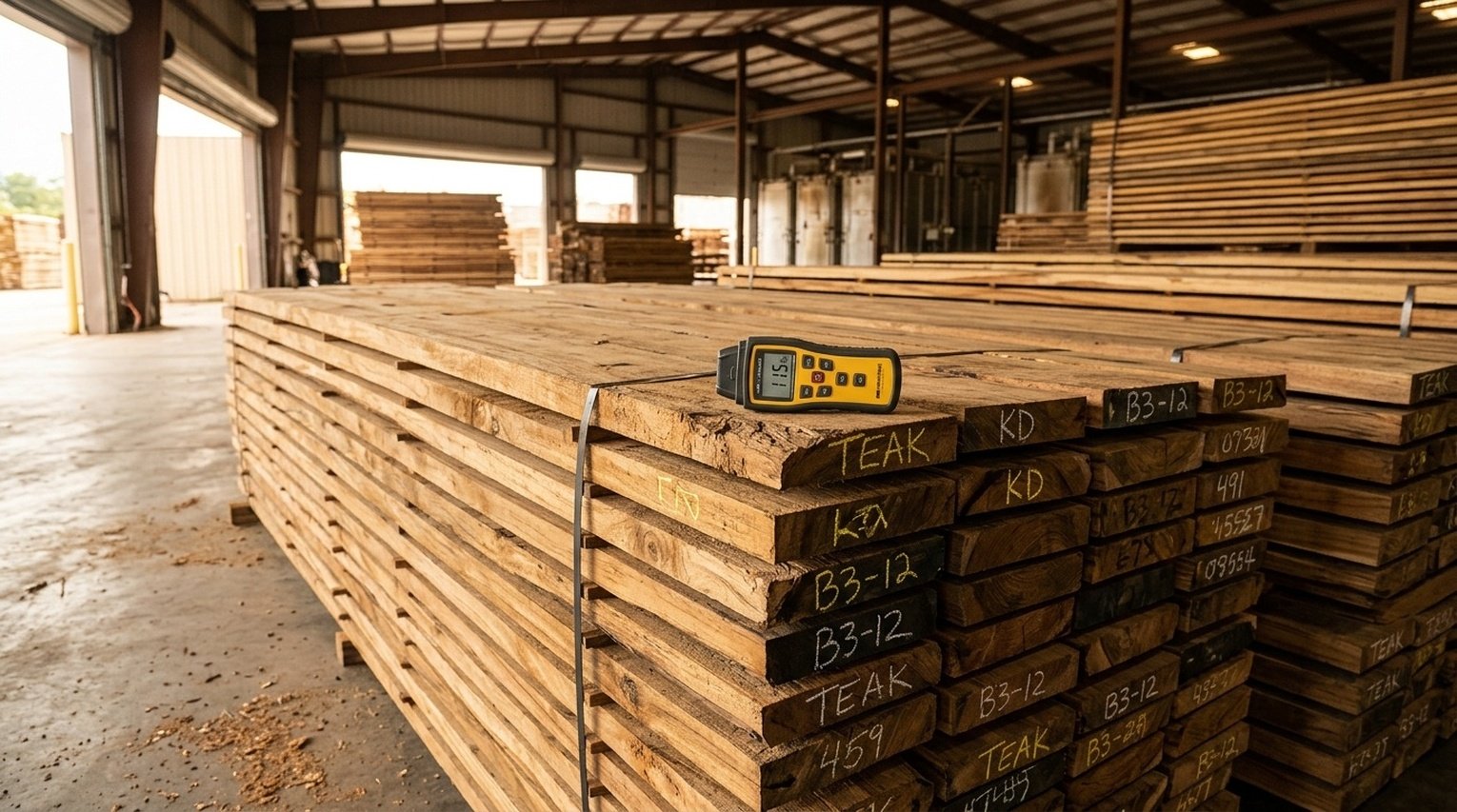
Good makers dry wood to suit your climate and check moisture with a meter. Then look at the finishing line. Tight joints and clean edging show care. Solid hinges and brass fittings do too.
Ask who inspects each batch and what happens when a piece fails. Arrange a pre-shipment inspection, either with your own team or a third party.
What Wholesale Furniture Orders Look Like in Practice
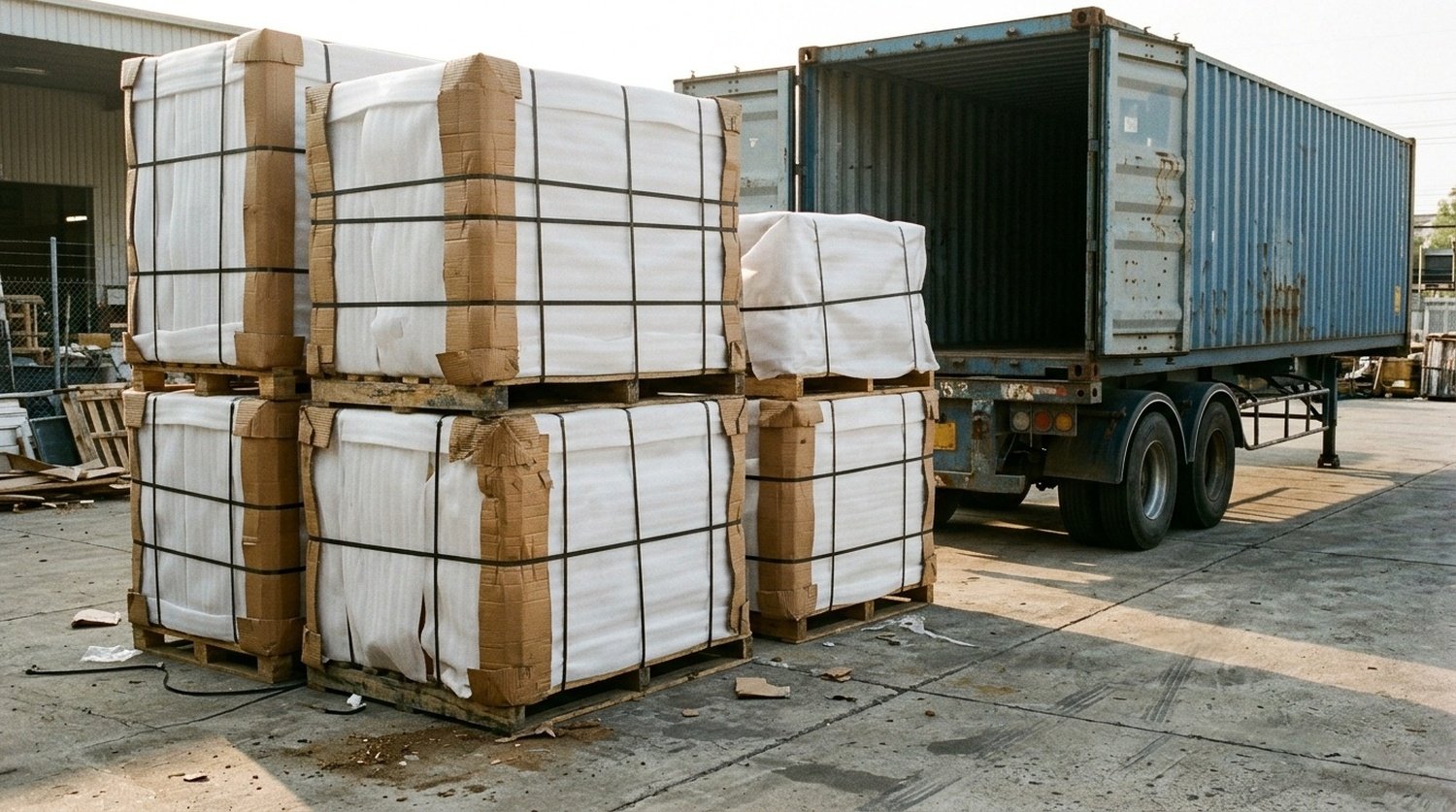
Most Indonesian factories quote FOB prices and set a minimum order near one container load. Established makers often agree to mixed-product containers.
Terms vary by factory and product. Use this table as a starting point for your questions.
| Factor | What Is Typical | What to Ask |
|---|---|---|
| MOQ | Varies by factory and product | Can I mix products in one container? |
| Lead time | Often several weeks to a few months | What is the schedule for each stage? |
| Pricing basis | FOB is standard | What does the quote leave out? |
| Samples | A paid prototype is common | Is the sample cost credited to my order? |
Outdoor furniture needs a different build from indoor pieces. Ask about stainless steel fasteners and marine-grade adhesives. Indoor pieces can carry finer finishes and softer upholstery.
Sampling deserves patience. A prototype reveals joinery, finish, and comfort before you commit. Ergonomics matter on sofas and dining chairs, so sit on them. Open the drawers, test the hinges, and approve the final piece in writing.
Building a Long Term Partnership With Your Maker
The best results come from repeat orders with one or two trusted factories. Clear drawings, steady communication, and fair terms keep quality consistent over time.
Hospitality projects show why. A hotel or villa needs every chair to match across batches. Standardization of finishes and dimensions makes that possible. Share reference photos, color samples, and tolerances with the team at the factory.
Many buyers want a line of their own. Look for a maker that offers custom made furniture Indonesia buyers can shape, from sizes to finishes.
At our company, we build to buyer drawings and keep prototypes on file for reorders. That habit saves clients time and keeps their collections consistent.
Choose with care and your pieces will last for years. Visit the factory floor, read the paperwork, and sit in the sample chair. When you are ready to build a shortlist, speak with a trusted Indonesia furniture manufacturer.