
Teak Wood Furniture for Indoor and Outdoor Living Spaces
Leave a cheap wooden chair on a terrace for one wet season and you will see the damage. The boards turn gray and split, and a musty smell creeps in. Teak wood furniture behaves differently. It warms with age and settles into a room as if it had always lived there.
That strength comes from the tree itself. The sections below cover how to judge solid pieces, how teak compares with other hardwoods, and how to keep it beautiful for decades.
Why Teak Wood Furniture Lasts Decades Indoors and Out
Teak heartwood holds natural oils and silica that repel water, rot, and insects. Well-made pieces often serve about 25 to 50 years, whether they stand on a patio or beside a dining table.
Those oils shape the look too. Fresh teak glows amber and golden brown, with long, calm grain. Indoors, the tone deepens with age. Outdoors, sun and rain turn it a soft silver gray.
Natural materials calm a room, and teak adds a warmth that glass and plastic cannot match. Boatbuilders have trusted it for centuries because it shrugs off salt water and constant damp.
Indoor furniture such as sideboards, cabinets, and dining tables enjoys steady conditions and can last generations. Outdoor furniture such as patio sets, benches, and loungers faces sun and rain every day. Teak handles both.
How to Judge Solid Teak Before You Order
Check the grain, weight, joinery, and paperwork before you pay. Five minutes of inspection separates solid, handcrafted teak from thin veneers that only borrow its look and color.
Experienced craftsmen run this routine on every plank. You can run it too, in a showroom or from photos and a few direct questions.
Most teak now comes from managed plantations. Reclaimed teak from old buildings and boats adds vintage character. Ask which one you are buying.
Grain, Color, and Weight Checks
Real teak shows straight, even grain and a warm golden-brown tone. It feels heavy for its size and slightly oily under your palm. Hollow sounds and uneven color often point to thin or mixed timber.
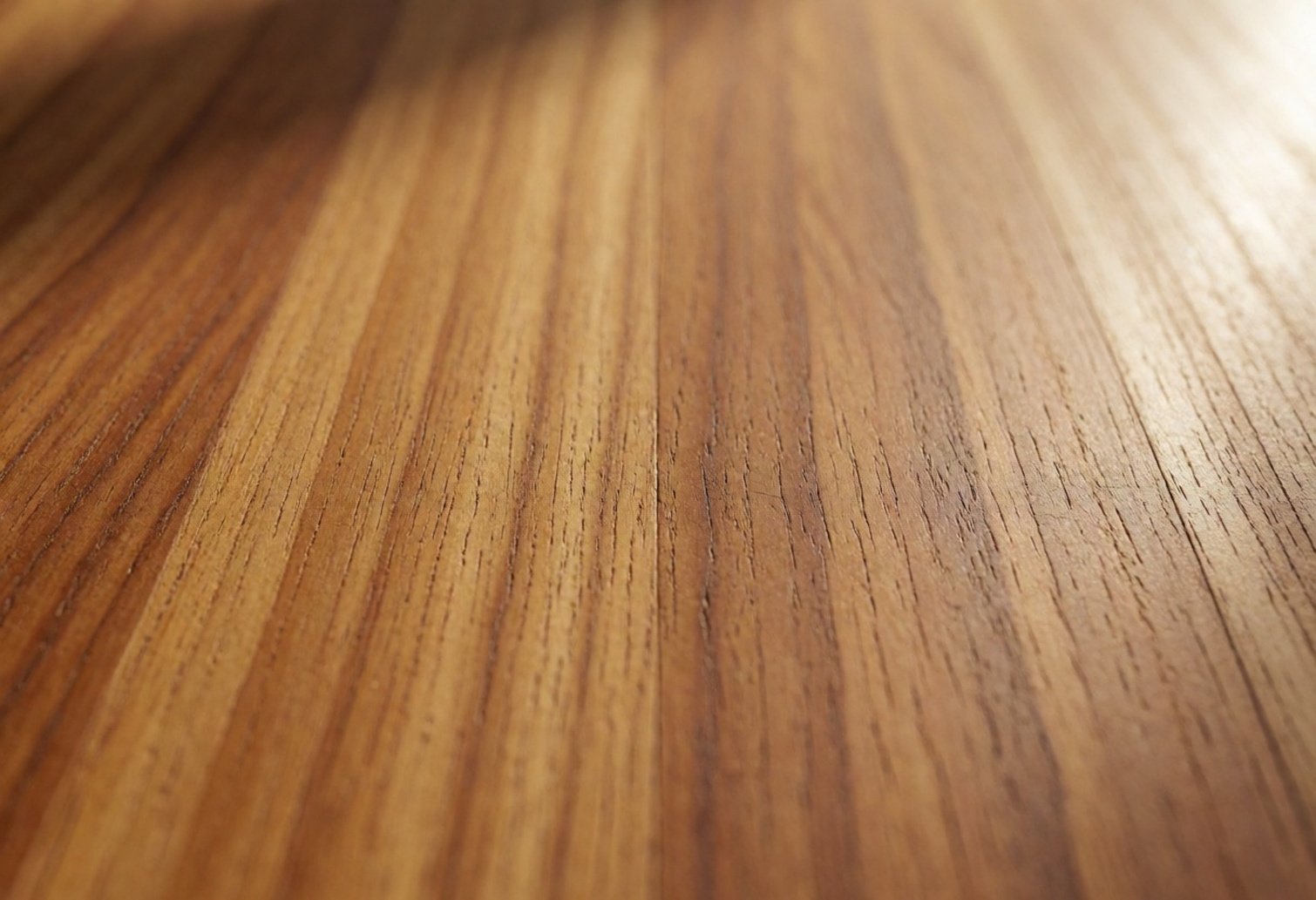
Look for natural variation between rich heartwood and paler sapwood. A faint leathery scent is normal. Tap a tabletop and listen for a dense, solid sound. A wide, thick slab with few knots usually signals better stock.
Joinery and Finish Details
Mortise and tenon joints, smooth edges, and even sanding signal quality. Visible glue gaps, loose screws, and rough undersides signal shortcuts. Kiln-dried wood resists warping, so ask about moisture content.
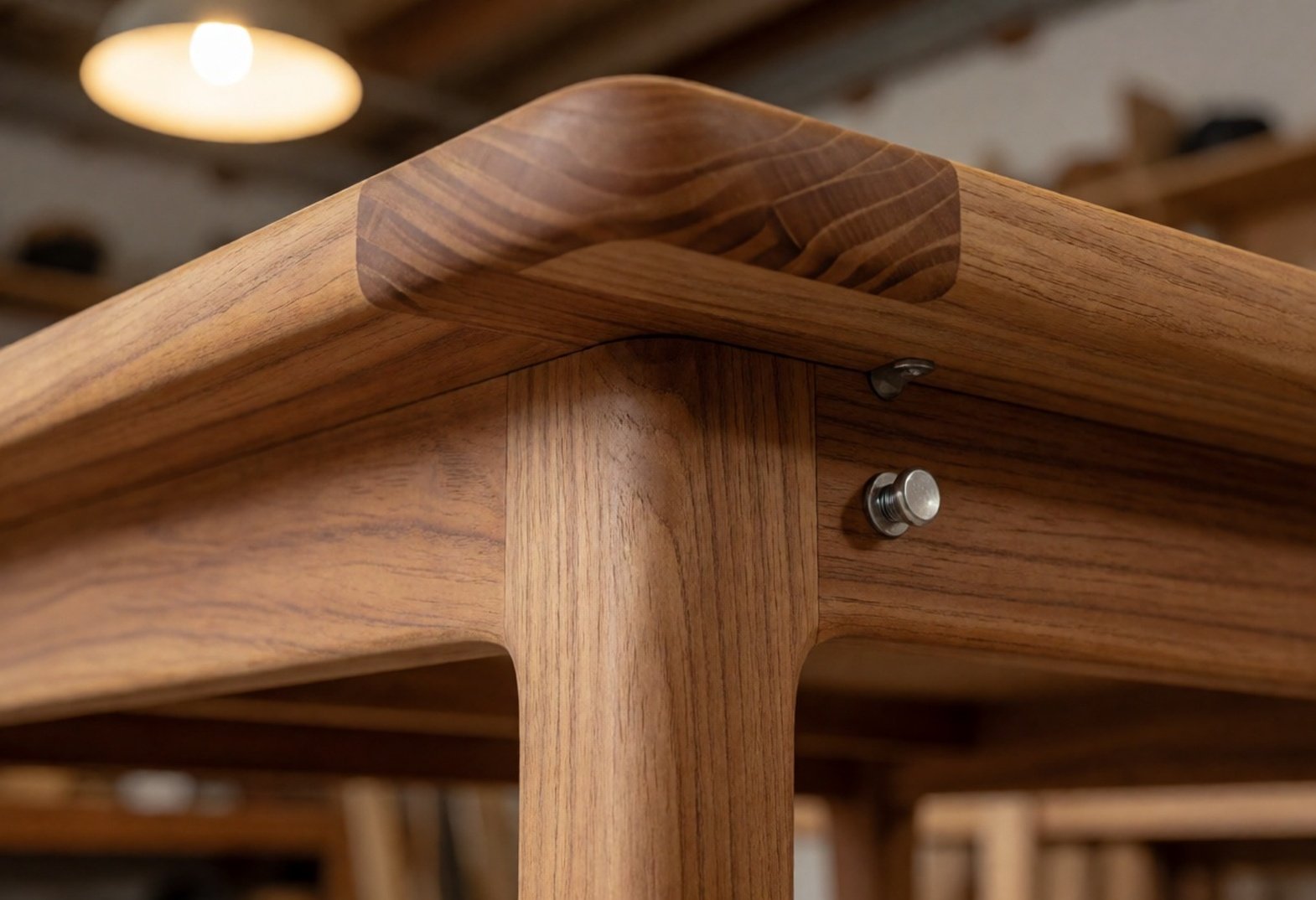
Turn a piece over and study the underside. Good makers finish hidden surfaces with the same care as visible ones. Stainless steel hardware belongs on any outdoor table or sofa. Ask where the wood came from too. Legal timber carries paperwork, and the certifications a maker holds tell you a great deal.
Teak vs Acacia, Oak, and Mahogany Over the Years
Teak outlasts acacia and oak outdoors, but acacia costs less upfront. The right wood depends on where the piece will stand and how much upkeep you accept.
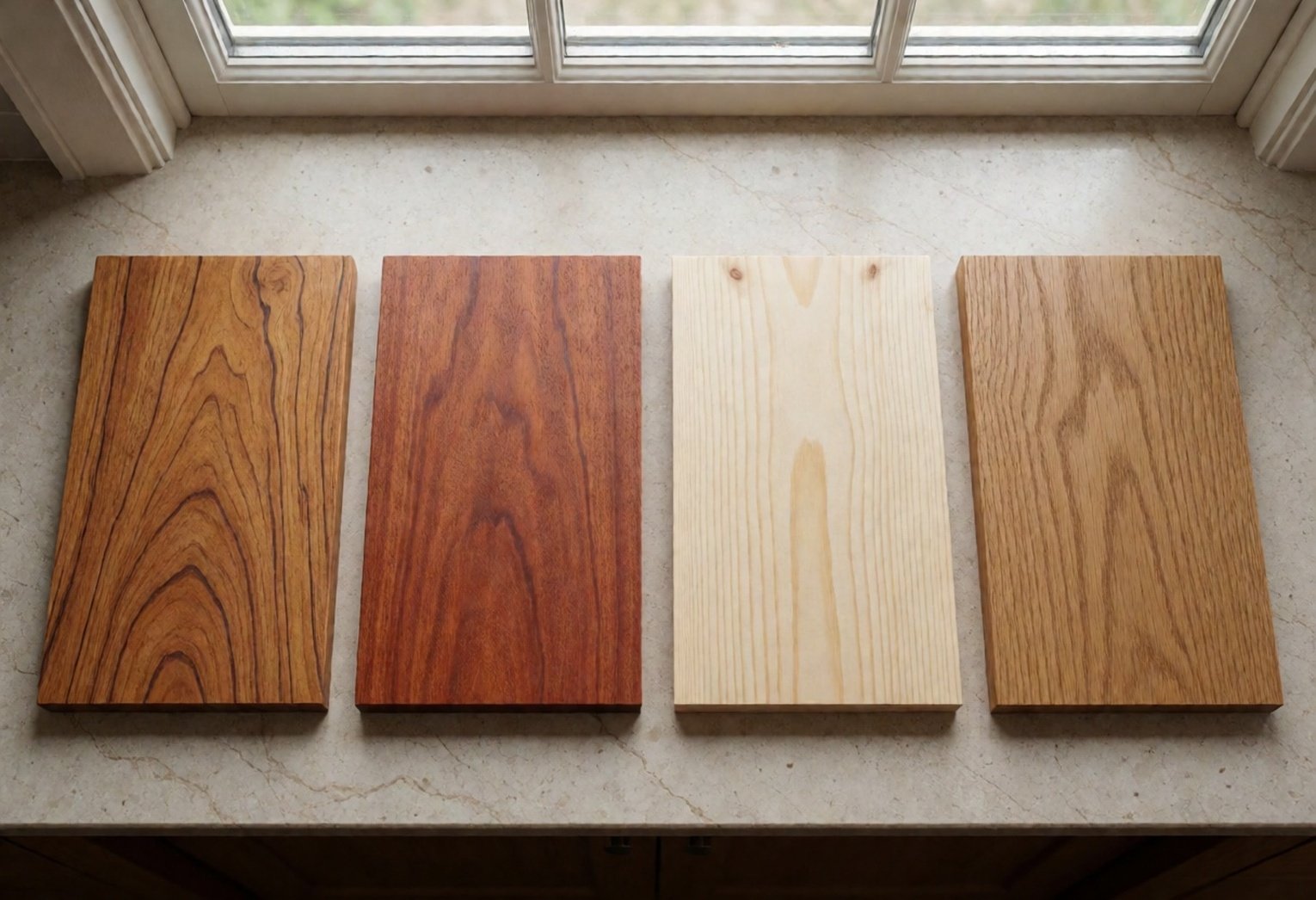
Oak brings classic grain and real strength, though it needs sealing outdoors. Mahogany offers a rich reddish tone and fine workability. Walnut, cherry, and maple shine indoors but dislike rain. Acacia suits tighter budgets and covered terraces.
Our material guide compares these timbers in more detail. The table gives a quick side-by-side.
| Wood | Typical Outdoor Life | Upkeep Level |
|---|---|---|
| Teak | About 25 to 50 years | Low |
| Acacia | About 5 to 10 years | Medium |
| Oak | About 10 to 15 years | Medium to high |
| Mahogany | About 15 to 25 years | Medium |
These figures are rough ranges. Climate, finish, and care change them.
What Teak Really Costs and Where It Falls Short
Teak costs more upfront but often costs less per year of use. Its downsides are price, weight, and a color change that surprises some owners.
Run the math. A $1,200 teak dining table that serves 30 years costs about $40 a year. A $400 table that needs replacing after seven years costs about $57 a year. Those prices are examples, so test your own numbers.
Teak has real limits. The upfront price stings. Solid pieces weigh a lot, so moving a sofa or bench takes two people. Outdoors, the wood turns silver gray, and fine surface cracks can appear. Fake or illegal timber also circulates, so ask for SVLK or FSC papers.
Awkward nooks and odd corners can still work. A custom made furniture Indonesia workshop can tailor size, finish, and style to your room.
Care Tips That Keep Teak Looking Golden for Years
Wash teak with mild soap and a soft brush. Oil it once a year to keep the golden tone, or skip the oil if you like the silver patina.
- Wash with mild soap, warm water, and a soft brush or microfiber cloth.
- Rinse well and let the surface dry in open air.
- Apply teak oil or conditioner in thin coats, then wipe off the excess.
- Choose breathable covers over plastic tarps, which trap moisture.
- Sand with the grain to revive faded or stained areas.
Wipe spills fast. Use coasters, mats, and tablecloths on tabletops to protect the finish from hot glassware and ceramics.
Oil It or Let It Turn Silver
Oiling keeps the golden color but takes yearly work. Leaving teak alone gives a silver-gray patina and does not weaken the wood.
Many owners love the weathered look, especially on terraces and poolside seating. Indoors, a light coat of wax or oil every year or two keeps the surface rich.
Restoring Faded or Damaged Pieces
Light sanding and fresh oil restore most weathered teak. Deep cracks and loose joints need a professional repair.
Gray patches, water rings, and light stains usually sand out. Work with the grain, wipe away dust with a tack cloth, then apply a fresh coat. Let it cure before use. Loose joints are different. Call a craftsman before a small gap becomes a structural problem.
A little yearly attention is all teak asks for. Pick carefully, keep the upkeep simple, and teak wood furniture can become the heirloom your family fights over. Start with the checks above, then talk to an Indonesia furniture manufacturer about size, finish, and delivery. Ask to see the grain before you order.