
Sofas and Sectional Furniture Decision Table for Any Home
Standing in a showroom, tape measure in hand, unsure which one to take home? Totally normal. Choosing between sofas and sectional furniture feels like a guess until you know a few simple numbers.
Room size, household size, and frame quality decide most of it. You need no design degree, only a tape measure and ten minutes. Let’s walk through each point like friends comparing notes over coffee.
Sofa or Sectional? Start With the Room You Have
A standard sofa fits rooms under about 150 square feet and homes of one to three regular sitters. A sectional fits rooms over 200 square feet, particularly when guests visit often.
A sofa plays the quiet host. It seats three, leaves floor space free, and lets a desk or play corner share the room. A sectional anchors the room instead. It draws people into a circle, offers legroom, and often adds a chaise.
| Factor | Sofa | Sectional |
|---|---|---|
| Room size | Under 150 sq ft | 200 sq ft and above |
| Seating | 3 to 4 people | 5 to 8 people |
| Layout | Easy to move around | Fixed or modular, needs planning |
| Lounging | One person stretches out at a squeeze | Chaise or ottoman gives full legroom |
| Delivery | Fits most doors and stairs | Needs sections or wide access |
| Typical cost | USD 800 to 2,500 | USD 1,500 to 4,000 |
Between 150 and 200 square feet, a compact L-shaped unit with one chaise often wins. It seats five yet reads like a sofa. Check the chaise side before ordering. Left-facing and right-facing versions cannot swap once built.
Modular or Fixed Sectionals
Modular sets let you add a corner, drop in an armless chair, or split into two couches after a move. You can swap one worn seat instead of buying a whole new set. Fixed units feel sturdier and cost less. Renting a flat or expecting to relocate? Go modular. Staying put for good? Go fixed.
How to Measure a Living Room Before You Buy Couches
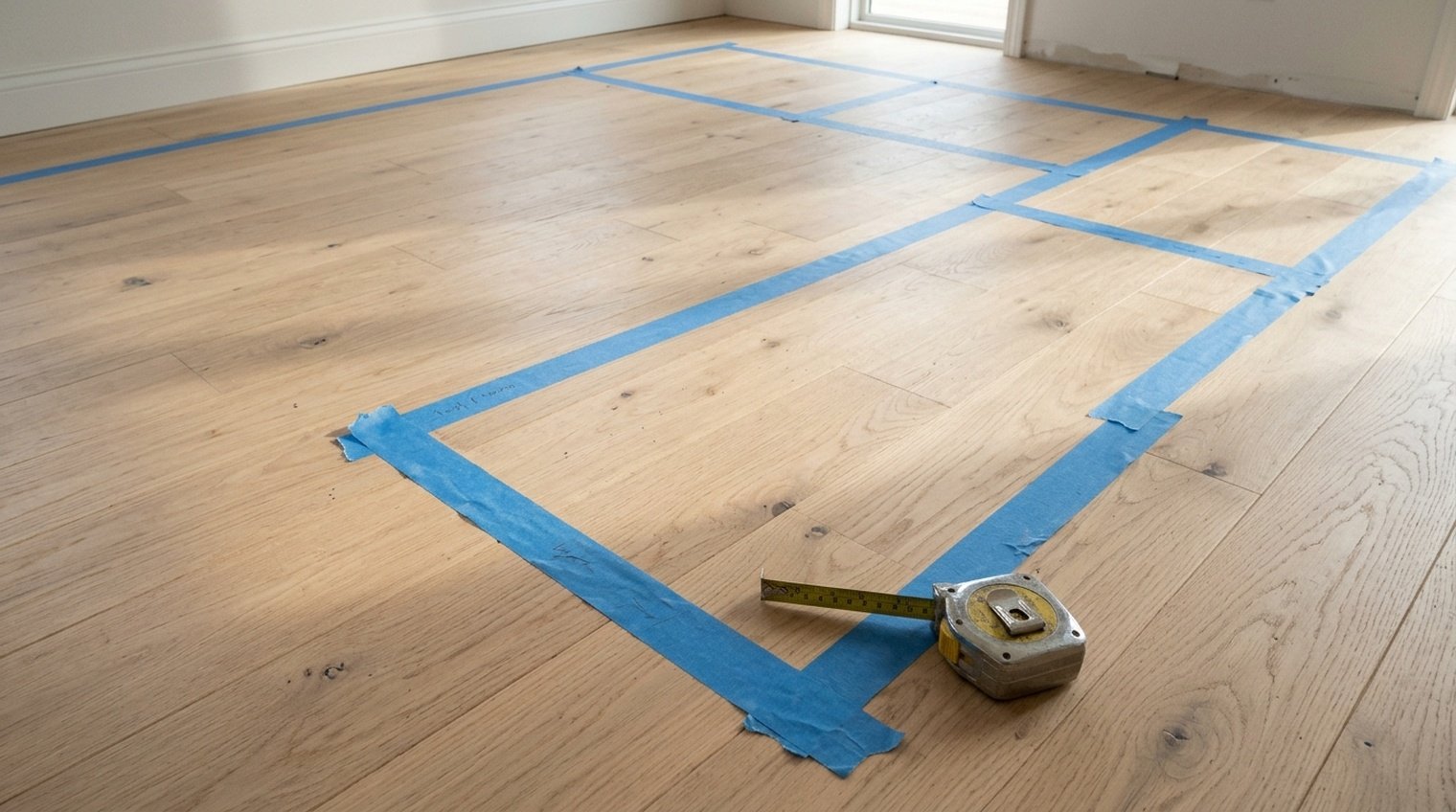
Measure the floor, not just the wall. Mark the footprint using painter’s tape, then leave 30 to 36 inches for walkways so the room keeps moving.
Standard sofas run 82 to 86 inches wide. A 96-inch wall leaves almost no gap at either end. That looks cramped, and side tables will not fit. Tape the shape on the floor, then live around it for a weekend.
The Two Thirds Wall Rule
Aim for a length near two thirds of your longest wall. A 12-foot wall suits about 96 inches. A 15-foot wall welcomes 120 inches or more. A 108w corner unit fits a 12 by 15 foot room well. Leave 14 to 18 inches between the seat edge and the coffee table.
Doors, Stairs, and Hallways
Most regrets arrive on delivery day. Check door widths, tight turns, stairs, and lift size first. A doorway under 30 inches rules out many one-piece couches. Modular sections solve that. Carry in each part, snap the latches shut, and assemble the whole in minutes. For condo owners, this matters most.
What Makes a Couch Frame and Cushion Last Ten Years
Frame, springs, and foam decide lifespan, regardless of brand. A kiln-dried hardwood frame plus dense foam often lasts 10 to 15 years. Budget builds usually give out between three and seven.
Good sofas and sectional furniture share a hidden anatomy. Photos hide it, so test in person. Lift one front corner. A solid frame rises without twisting or creaking. Press an arm. It should stay rigid.
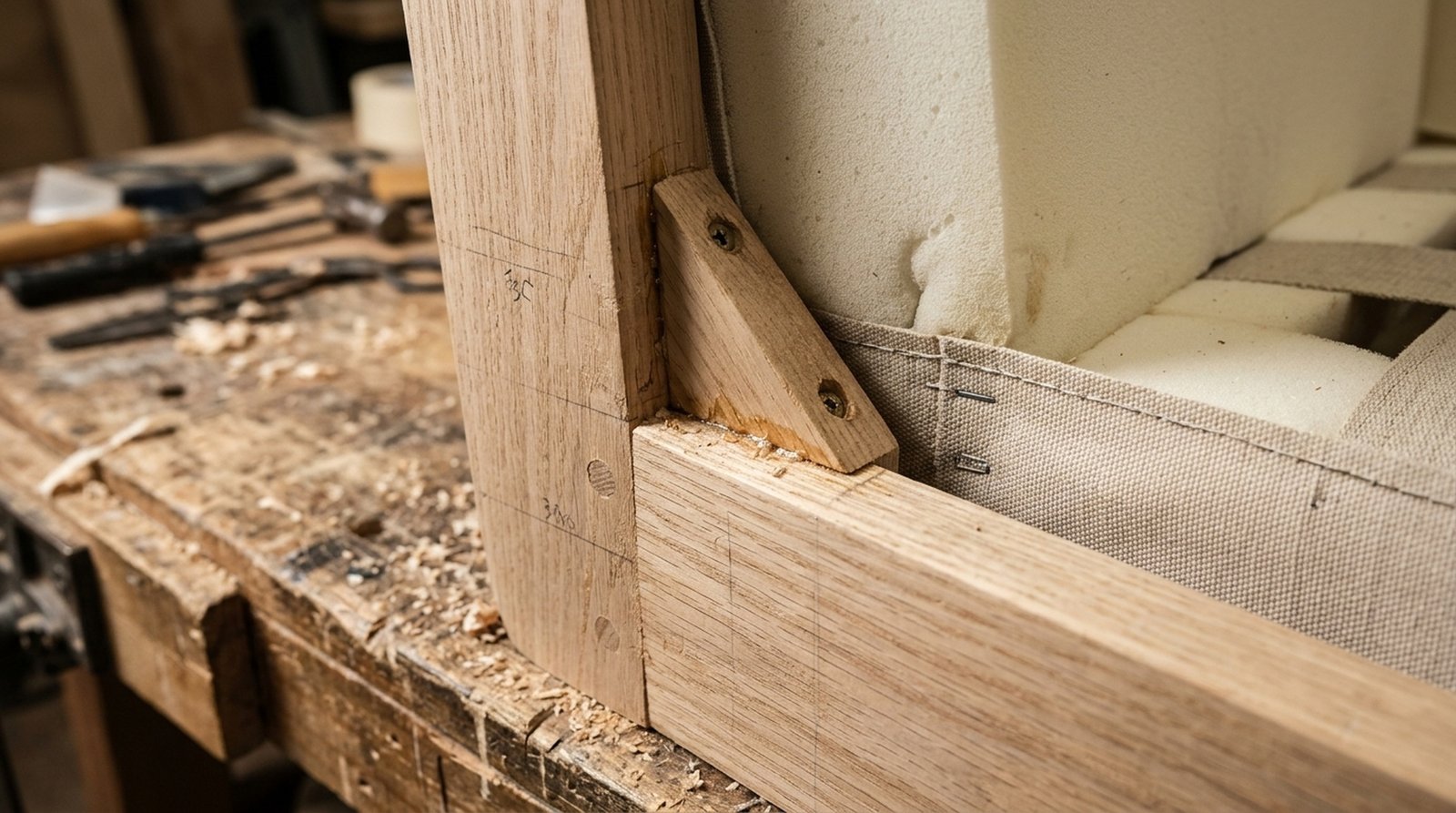
Hardwood Frames and Foam Density
Elm, oak, and teak resist sagging and hold screws for decades. Particleboard cracks at the joints. Look for corner blocks and dowelled joints. Many Indonesian workshops favor teak wood furniture construction for legs and frames, since it handles humidity well.
Aim for seat foam of at least 1.8 pounds per cubic foot. Daily use calls for 2.5. Polyurethane foam wrapped in a down blend feels plush yet stays supportive. Down alone flattens fast.
Fabric, Leather, and Velvet Wear
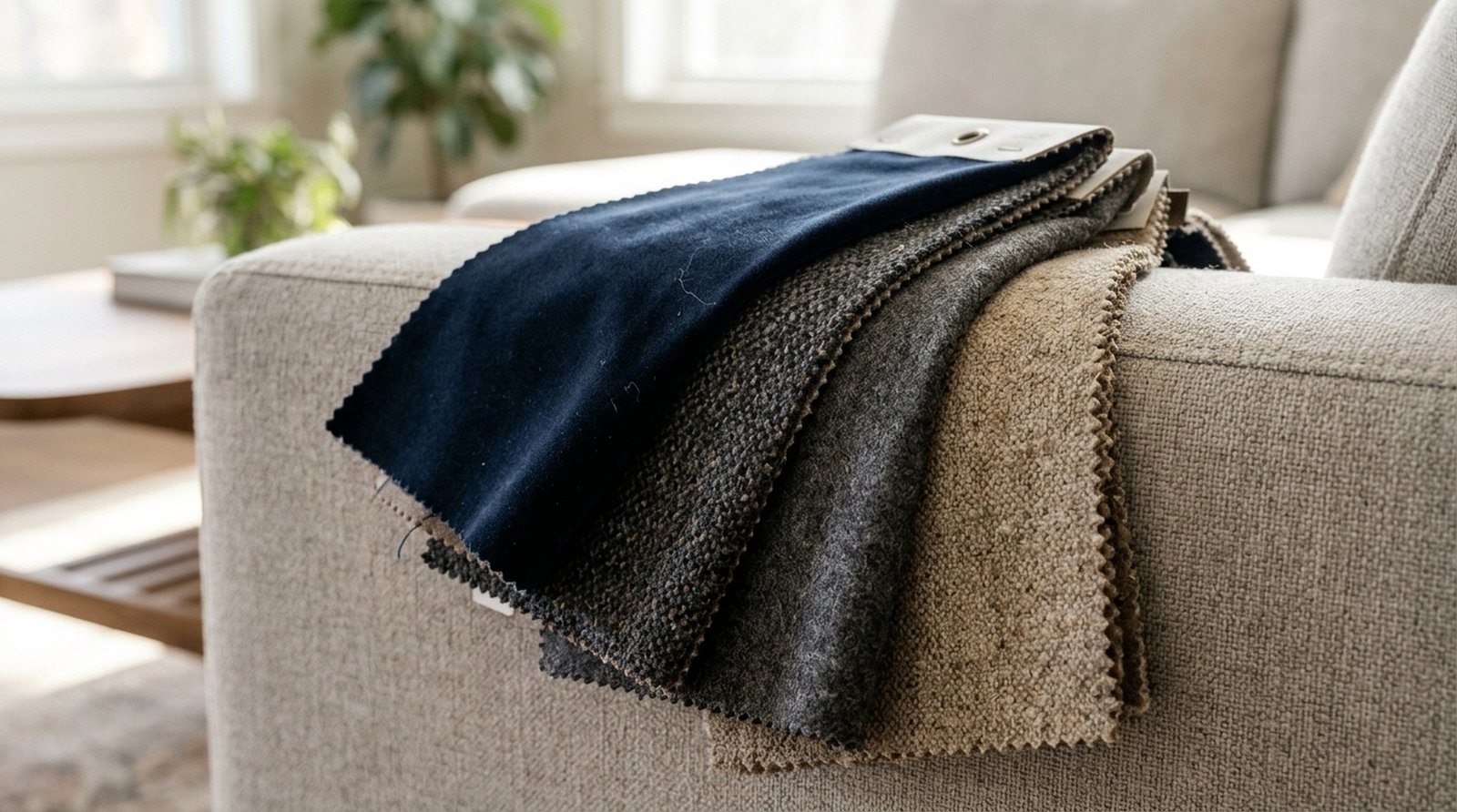
Tweed and canvas hide wear. Performance fabrics shrug off spills. Velvet feels luxurious yet crushes, and it holds pet hair. Top-grain leather ages gracefully. Faux leather often peels within a few years. Suede looks elegant but needs care.
Color matters too. Beige and greys hide dust. Charcoal hides pet hair. Deep blue and green show lint. Match upholstery to daily habits. If catalog sizes never fit your space, look into custom furniture design. A tailored frame can fill a 100-inch alcove or follow a curved wall.
Layouts That Keep Seating Comfortable and Cozy
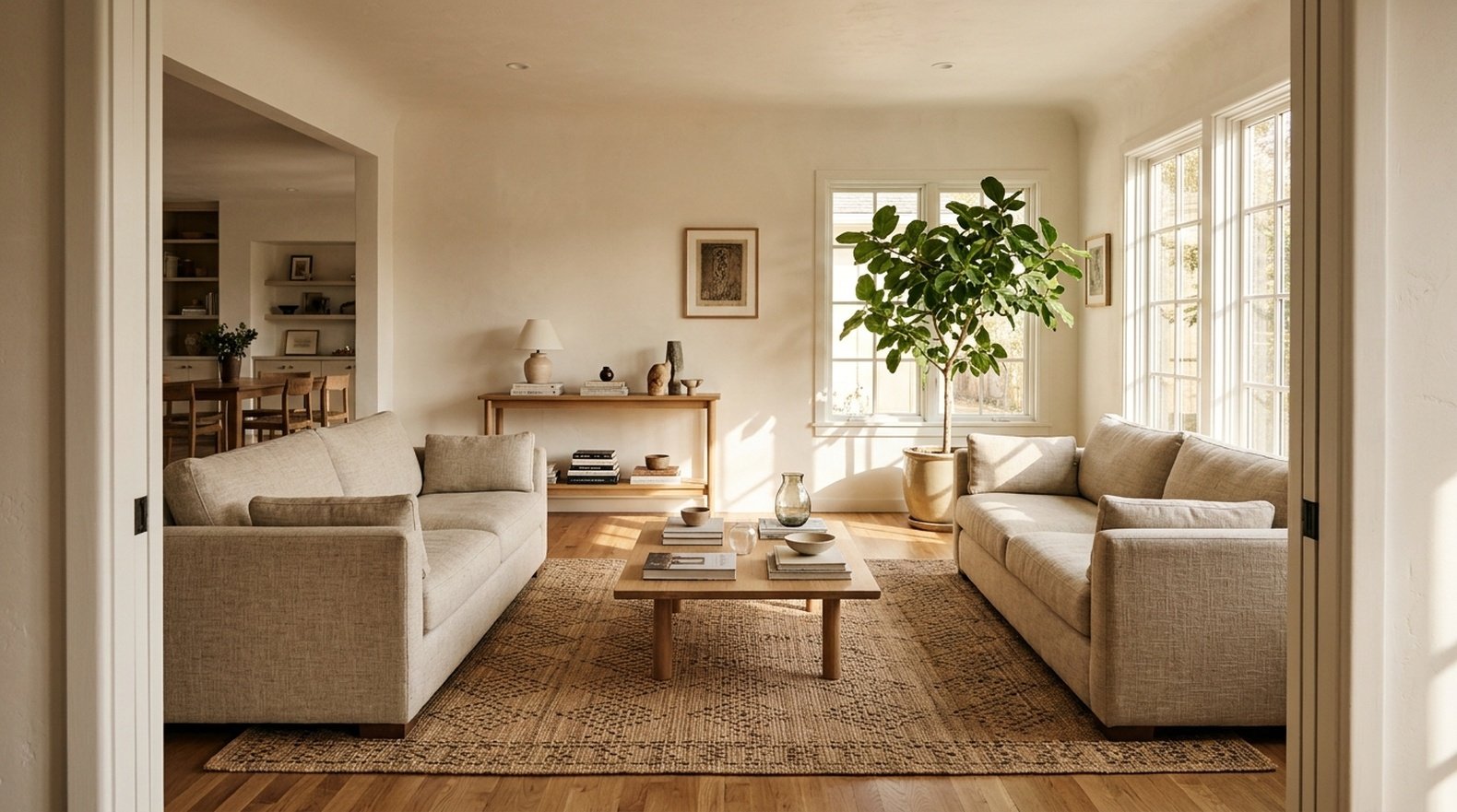
Layout shapes comfort as much as the piece itself. Face the seats toward each other, keep one clear path into the room, and anchor the group using a rug so it reads as one zone.
A couch is the emotional anchor of a home. It should invite you to sit, then let you leave without climbing over anyone. Try these arrangements:
- Float the sofa in open-plan rooms and back it using a console table to define the zone.
- Push a sectional into the corner when the room is square.
- Add an ottoman as a footrest. It adds seating without enlarging the footprint.
- Pick the chaise side that matches how you enter the room.
Layer pillows, blankets, and a wool rug in natural textiles. Natural materials and daylight make a room feel warm and calm. Place seats to catch window light, and keep a plant within reach.
Seat Depth and Legroom
Standard seat depth runs 20 to 22 inches. Taller sitters and lounge lovers prefer 24 inches or more. Deep seats invite curling up but strain the lower back unless pillows help. Shorter legs dangle off the edge. Test using your own height, and sit for five minutes, not thirty seconds. A recliner rests tired legs, though it needs extra clearance behind it.
Honest Trade-Offs and Budget Tiers Before You Buy
Sectionals cost more space, weight, and flexibility than sofas. A mid-range sofa at USD 1,000 to 2,500 usually gives the best value per year of daily use when the frame is solid.
Sectionals dominate small rooms. They weigh more, so relocating gets harder. Modular pieces can drift apart on hard floors unless the latches hold. Custom sectionals can pass USD 4,000. A sofa gives you freedom to rearrange, yet it seats fewer people on movie night. Weigh both sides before committing.
Budget pieces run USD 400 to 1,000 and suit short-term homes. Mid-range pieces cost USD 1,000 to 2,500 and suit most families. Premium and luxe pieces start near USD 2,500 and bring better frames, tailored finishes, plus repair options. Divide price by years of use. A USD 1,800 sofa lasting 12 years costs USD 150 per year. A USD 700 sofa replaced in four years costs USD 175.
Compare retailers and stores, then request the frame warranty in writing. Watch closeouts and sales for floor models. Ask who builds the piece. At our workshop, an Indonesia furniture manufacturer, buyers can test frames before ordering.
The right answer to sofas and sectional furniture sits in your own floor plan. Count the people, measure the room, and check the frame. Then the decision gets simple. Tape out your top two options this weekend, then fill in the decision table above before you buy.