
How to Start Bespoke Furniture Design for Your Home
Picture your living room with a sofa that almost fits. Custom furniture design starts at that “almost.” One piece blocks the door swing, and another crowds the window.
A designer measures the room, asks how you live, and draws one piece to suit you. Craftsmen then build it in the workshop. I run a furniture company, and I have seen this process change how people use their rooms. Here is where to begin.
What Custom Furniture Means for Your Home and Daily Habits
Custom furniture is made for one room and one household. A designer sizes each piece to your space, routine, and budget. No catalog item can match that fit.
Take a typical living room sofa. The arms are too thick, and the seat is too deep for your back. A tailored sofa or sectional fixes those details before anyone cuts fabric.
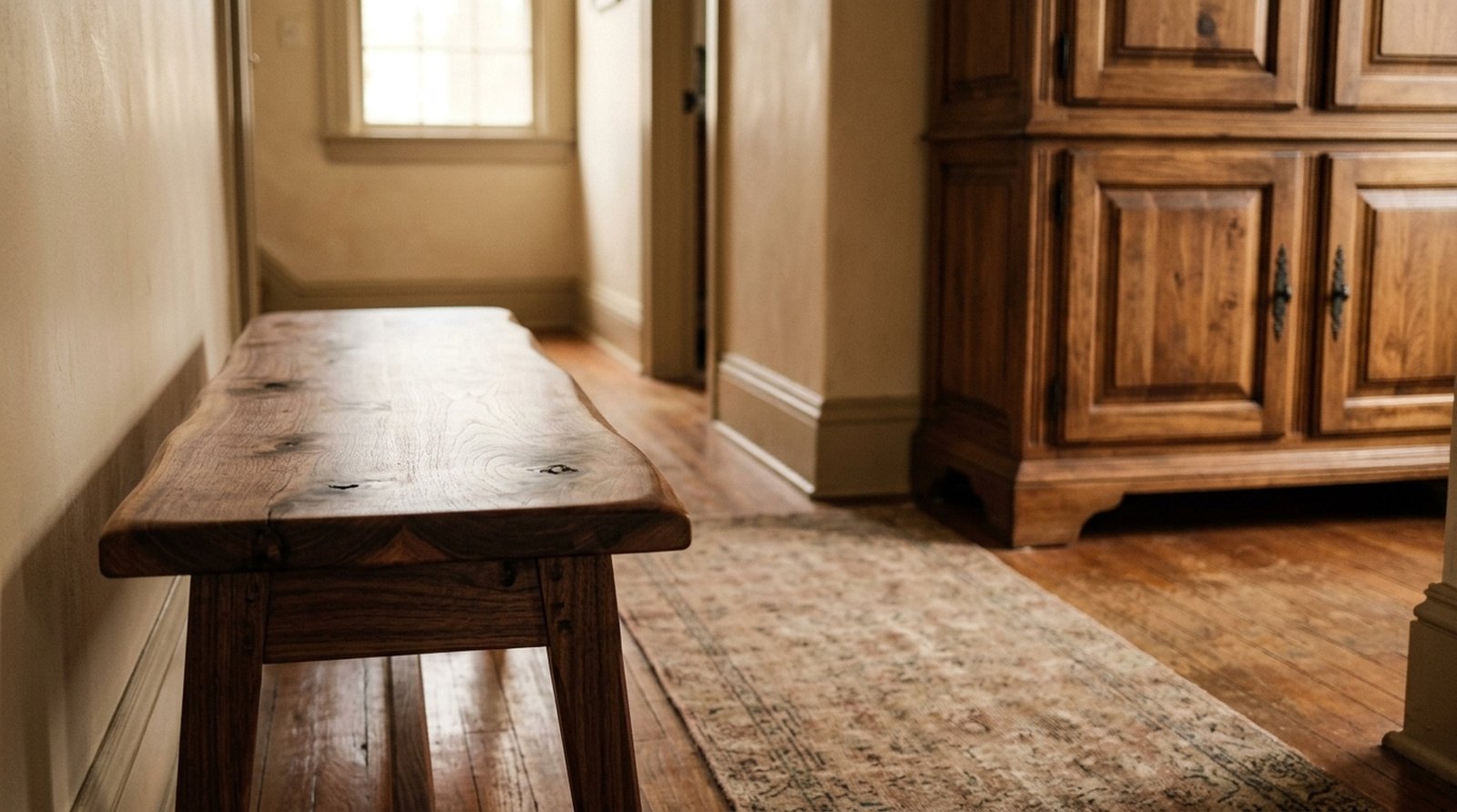
Craftsmanship shapes how a room feels, too. Handcrafted joints, softened edges, and visible grain give interiors warmth. I once watched a plain walnut bench change a cold hallway. You touch furniture every day, so it should suit your hands and your habits.
Write a Design Brief Before You Contact a Studio
A design brief is a short document with room size, daily use, style, and budget. A clear brief prevents most costly revisions. It also gives the designer something concrete to sketch from.
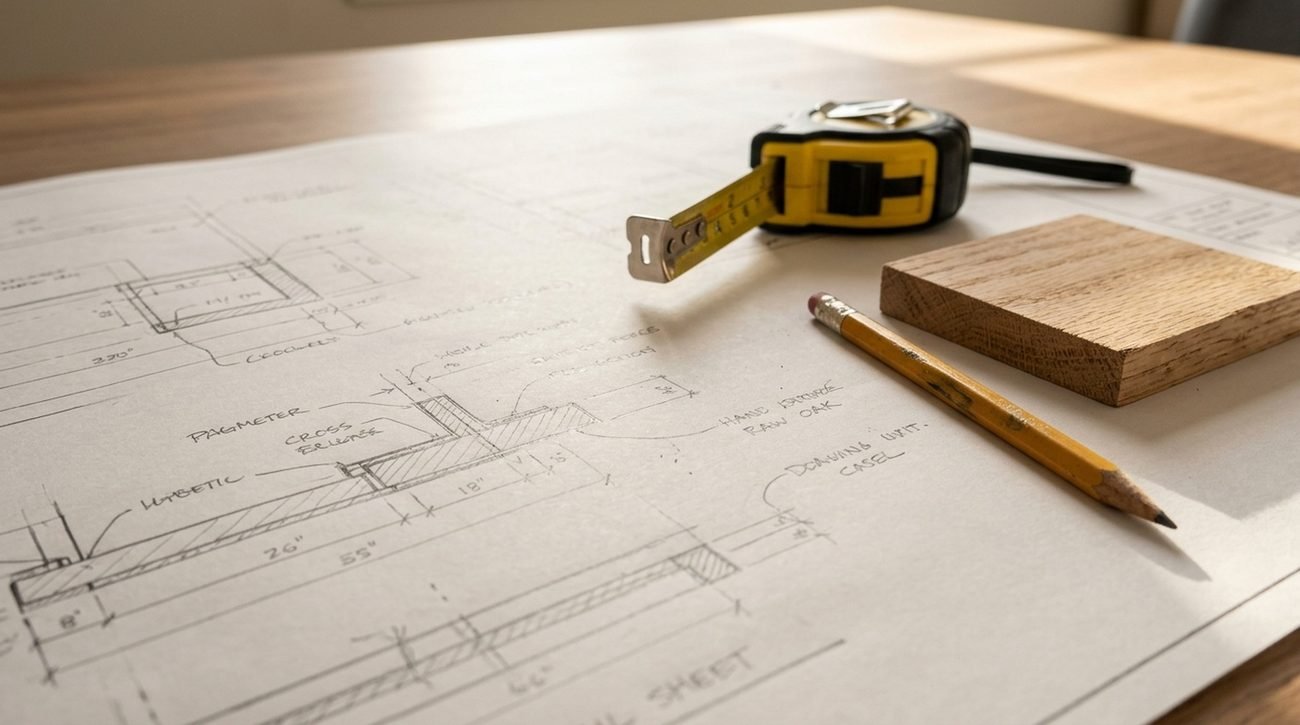
Start with a tape measure. Measure the room, the doorways, and any stairs the piece must pass. Mark the floor with tape and test the layout for a week. Leave about 90 cm of walking space around a dining table.
Then describe your style in plain words. Modern, rustic, and midcentury make useful starting points. Add three photos you love and one you dislike.
A strong brief covers five points:
- Room dimensions and a quick floor sketch
- Who uses the piece and how often
- Style words and three reference photos
- Budget range, including your firm ceiling
- Target delivery date and access details
A studio that takes custom made furniture indonesia orders will ask for these points on the first call.
Choose Materials and Joinery That Match Daily Use
Material choice drives price, weight, and lifespan more than any other decision. Match the wood, board, and fabric to the daily workload of the piece. A dining table needs more toughness than a display shelf.
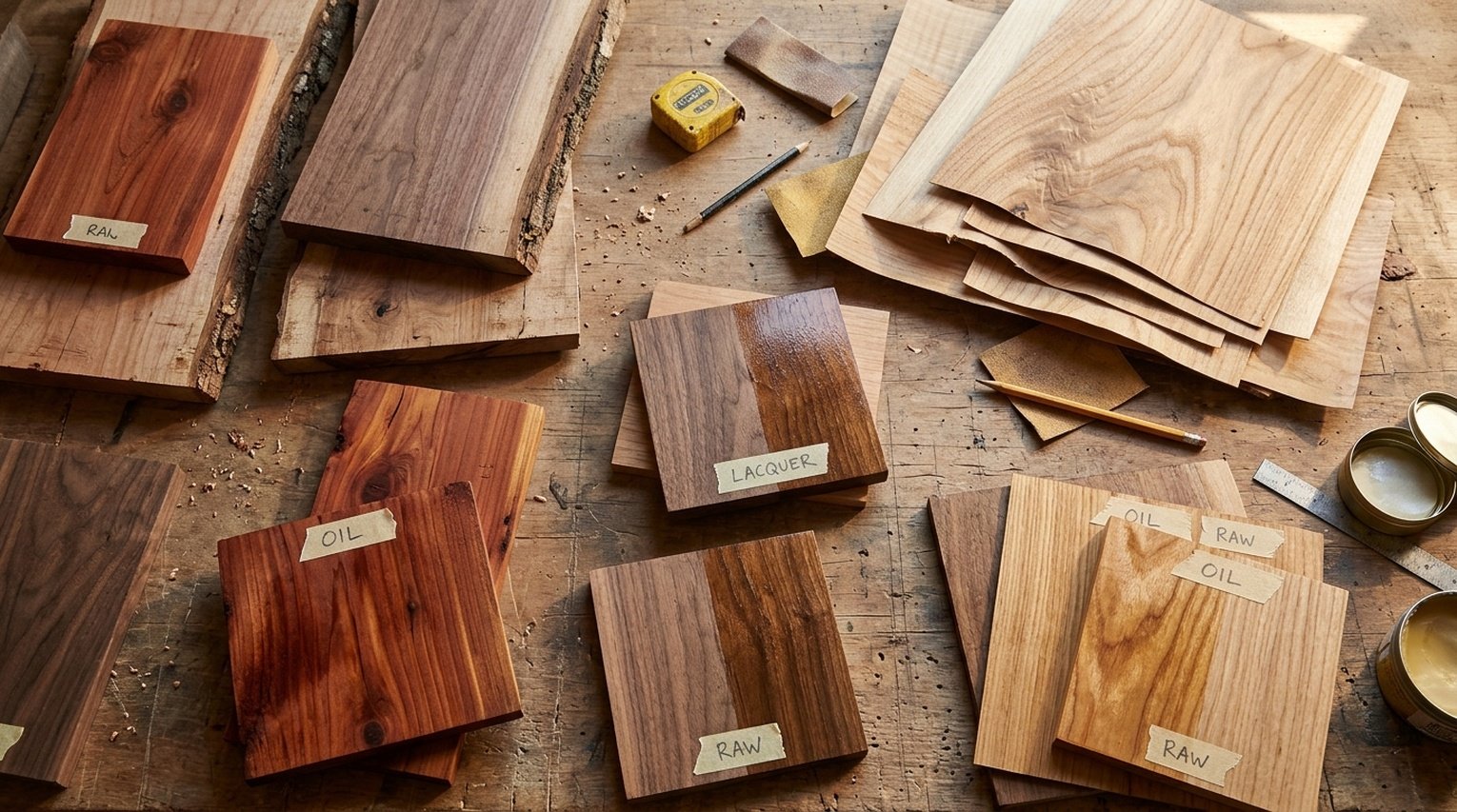
Solid oak and walnut suit tables, benches, and bed frames. Plywood and veneer suit cabinets, wardrobes, and shelves. Teak wood furniture handles humidity well, which matters in tropical homes and gardens.
| Material | Best Use | Main Trade-Off |
|---|---|---|
| Solid oak or walnut | Tables, benches, beds | Heavy and costly |
| Teak | Garden and living room pieces | Higher upfront price |
| Plywood | Cabinets, wardrobes, shelves | Edges need careful finishing |
| Veneer over board | Large panels, display units | Deep scratches are hard to repair |
Wood, Board, and Finish Options for Tables and Cabinets
Use solid wood for surfaces that take daily wear. Use engineered board for large cabinet boxes. Finish matters just as much, because oil, lacquer, and stain change both the look and the care routine.
Oil feels soft and is simple to repair. Lacquer resists spills but shows scratches sooner. Ask for finish samples and view them in your own light. Workshop lamps change the color.
Upholstery, Hardware, and Joinery That Last
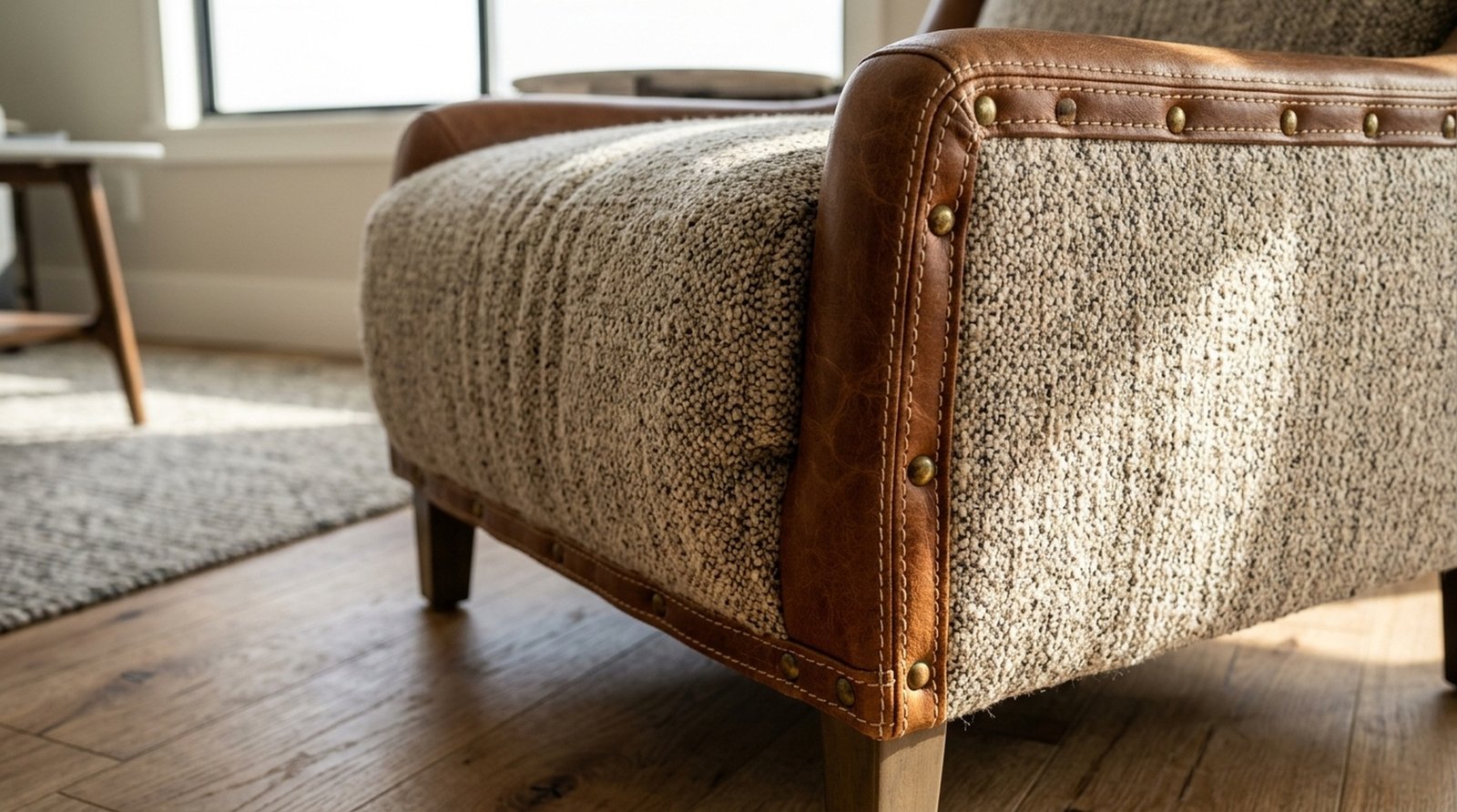
Joinery and hardware decide how long a piece survives. Dovetail and mortise and tenon joints outlast stapled corners. Quality hinges keep kitchen doors aligned for years.
Upholstery adds more choices. Ask for fabric rub-test ratings, and pick leather or tight weaves for busy sofas. Foam firmness matters as much as the cover. The Bintang dining set shows how a solid frame and clean joints work together.
Work With a Furniture Designer From Sketch to Installation
The process runs in five stages: consultation, drawings, approval, production, and installation. Each stage ends with a decision. Changes cost little early on and a lot near the end.
Custom furniture design for a single piece takes about 6 to 14 weeks. Drawings take one to two weeks. Production takes four to twelve.
Drawings, 3D Renders, and Sample Approval
Technical drawings, 3D renders, and material samples remove guesswork before any wood is cut. Check every dimension, drawer clearance, and finish before you sign off. Changes after approval cost more.
A drawing sheet or CAD file shows exact sizes and joints. A 3D rendering shows how the piece sits in your living room, bedroom, or garden. Hold the wood and fabric samples in your hand before you approve them.
Production, Finishing, and Delivery
Production starts with cutting and assembly. Sanding, finishing, and a quality check come next. Delivery follows, so confirm access routes and wall fixings before the truck arrives.
Craftsmen cut each part, join the frame, and sand every surface by hand. Finishing needs several coats and a curing period. Shipping furniture overseas adds crating, customs paperwork, and extra weeks, so plan early.
Costs, Lead Times, and Trade-Offs to Expect
Custom pieces often cost more upfront than catalog furniture and take longer to arrive. In return you get an exact fit and a longer service life. Plan for both sides of that trade.
The downsides are real. Deposits of 30 to 50 percent are common. Waits of 4 to 12 weeks test your patience. A vague brief invites miscommunication, and miscommunication costs money.
Several factors move a quote: wood species, size, joinery detail, finish, and installation. Ask for an itemized quote. Compare offers from Indonesian furniture exporters on the same specification, so the numbers mean something.
Begin with one corner of one room. Draw it, measure it, and write down what you need from it. When your brief is ready, a skilled partner can turn it into custom furniture design you will enjoy for decades.
Book a consultation with an Indonesia furniture manufacturer and bring your measurements.